Engine Mount Designs in Jet Aircraft
In helicopters, it is about the concept of countering torque which earned most helicopter designs their distinction from the rest. In jet aircraft, it is about the location of the engines which give them their characteristic appearance which becomes the design signature of its manufacturers. In this post, I have selected the widely used engine locations we could observe from famous aircraft of the past and the present.
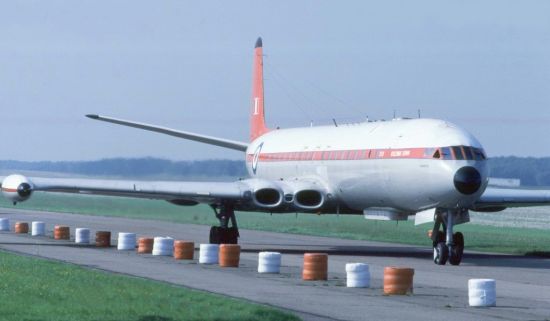
Buried in Wings
De Havilland started about this design at the introduction of its DH Comet in 1949 which earned the name as the world’s first commercial jet airliner to reach production. The success however was short-lived as the design was plagued by structural problems which ultimately changed the way airliners were constructed following a series of tragic crashes of the type. This engine configuration was reflected on other British aircraft designs such as the Vickers-Armstrongs Valiant, the Handley Page Victor and the Avro Vulcan Bomber (V Bomber Force).
.jpg)
Engine Pylons Under Wing
Boeing learned so much from the failures of the DH Comet that it sticked on this engine configuration for decades. Other aircraft manufacturers who wish not to risk so much in research funds and loss of lives trying new engine location designs began to adopt this configuration as well. From the early Boeing airliners, the 707, 757,767,747 to the latest 787 this design is evident.
.jpg)
Twin Turbojets under Wing
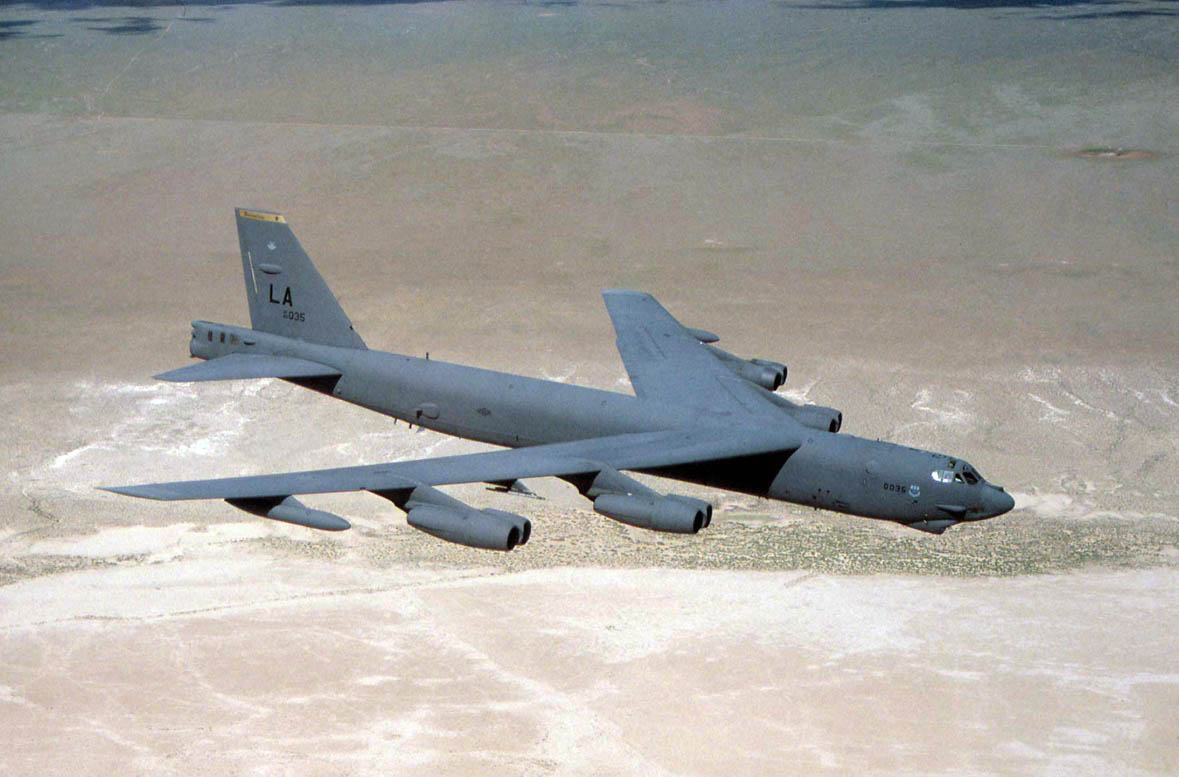
Introduced in 1952 at the first flight of the B-52 Stratofortress which incorporated this engine design, it probably was the only aircraft type to utilize this engine configuration concept. Note that this aircraft has 8 engines each, 4 engines each side attached in pairs under the wing pylons. With 744 units built, how many engines does it make? At present only 76 B-52s remain in active service.
.jpg)
Clipped at Wing Roots
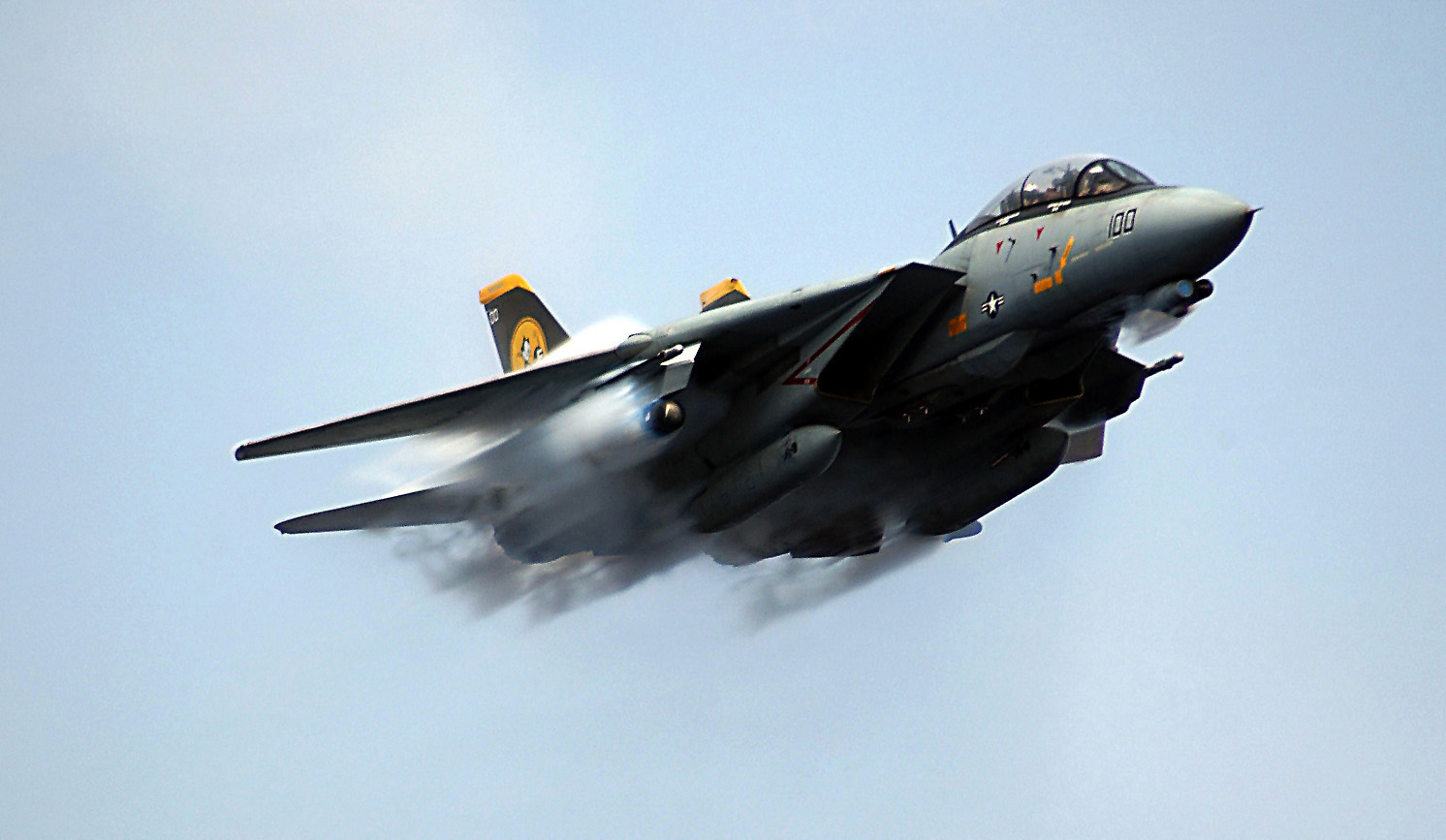
This engine design configuration is evident on most US fighters like the F-14 Tomcat and the F-15 Eagle. Although the Russian Mig-29 looks similar to this configuration it is actually more like twin engines hanging at the aircraft belly.
.jpg)
Rear Forward of Horizontal Stabilizer
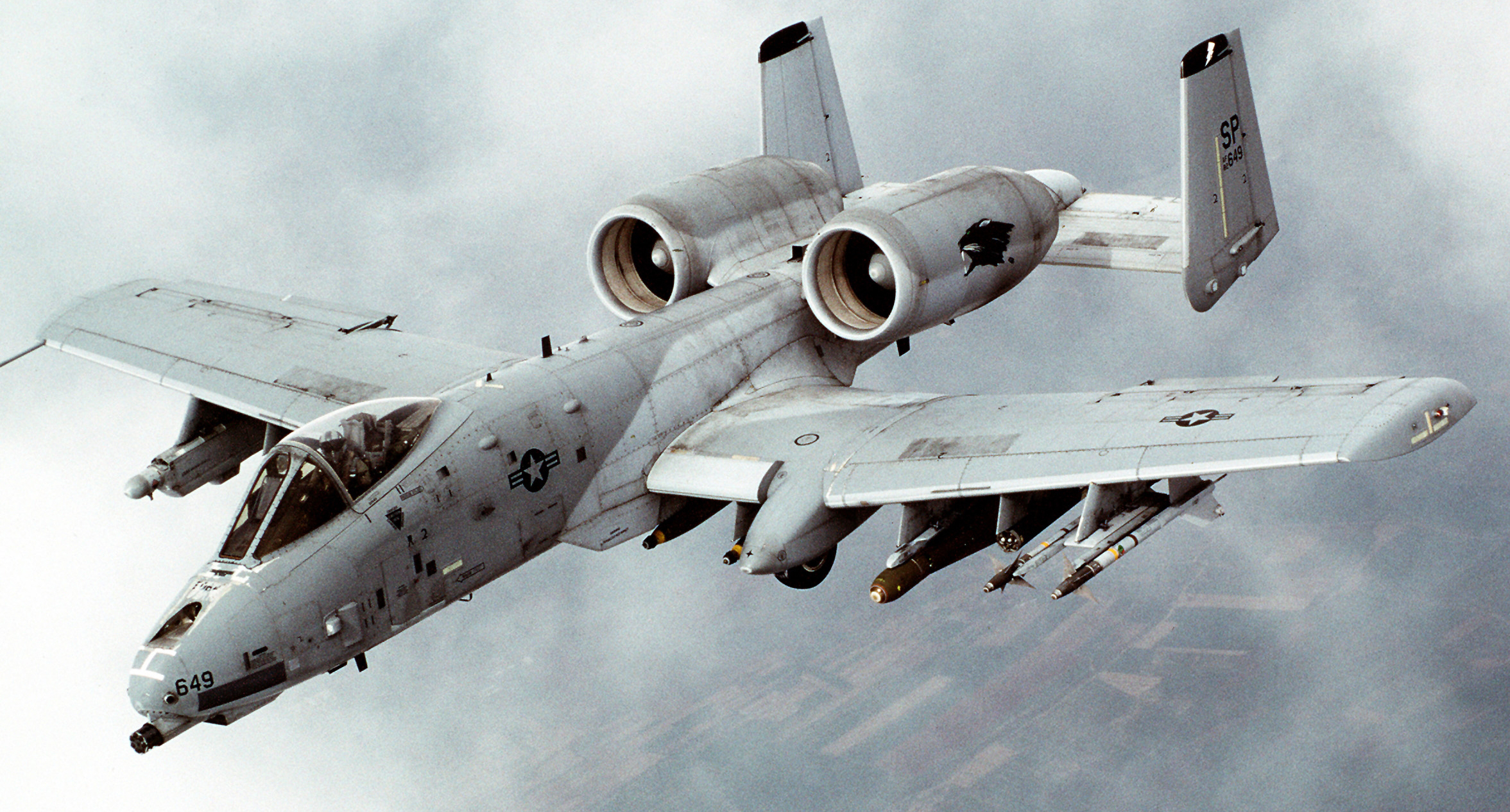
The A-10 Thunderbolt II looks more annihilating sporting this engine mount design. Introduced by Fairchild Aircraft in its first flight in 1972, the A-10 remains in service with 716 aircraft built.
.jpg)
Twin Turbojets Mounted Mid Wing
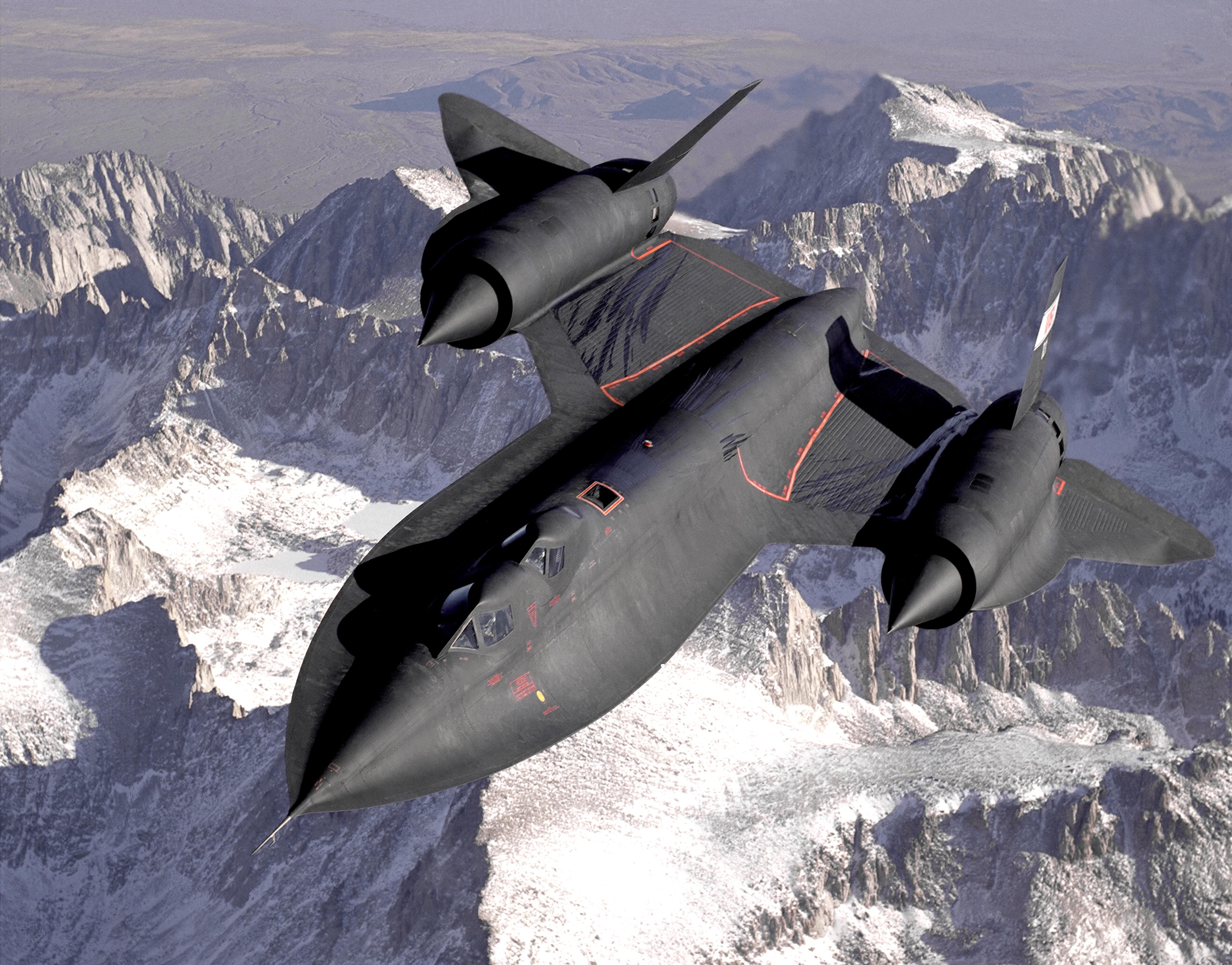
The SR-71 Blackbird was a legend in its class still holding the record as the fastest air breathing manned aircraft in the planet. The engine positioning was of course crucial in the making that record.

Top Wing Leading Edge
As an aircraft enthusiast, I was struck seeing this design on an Antonov An-32 Coaler on an airshow in Manila, Philippines way back in 1992. It looks like the engines were about to drop off from the wing mount.

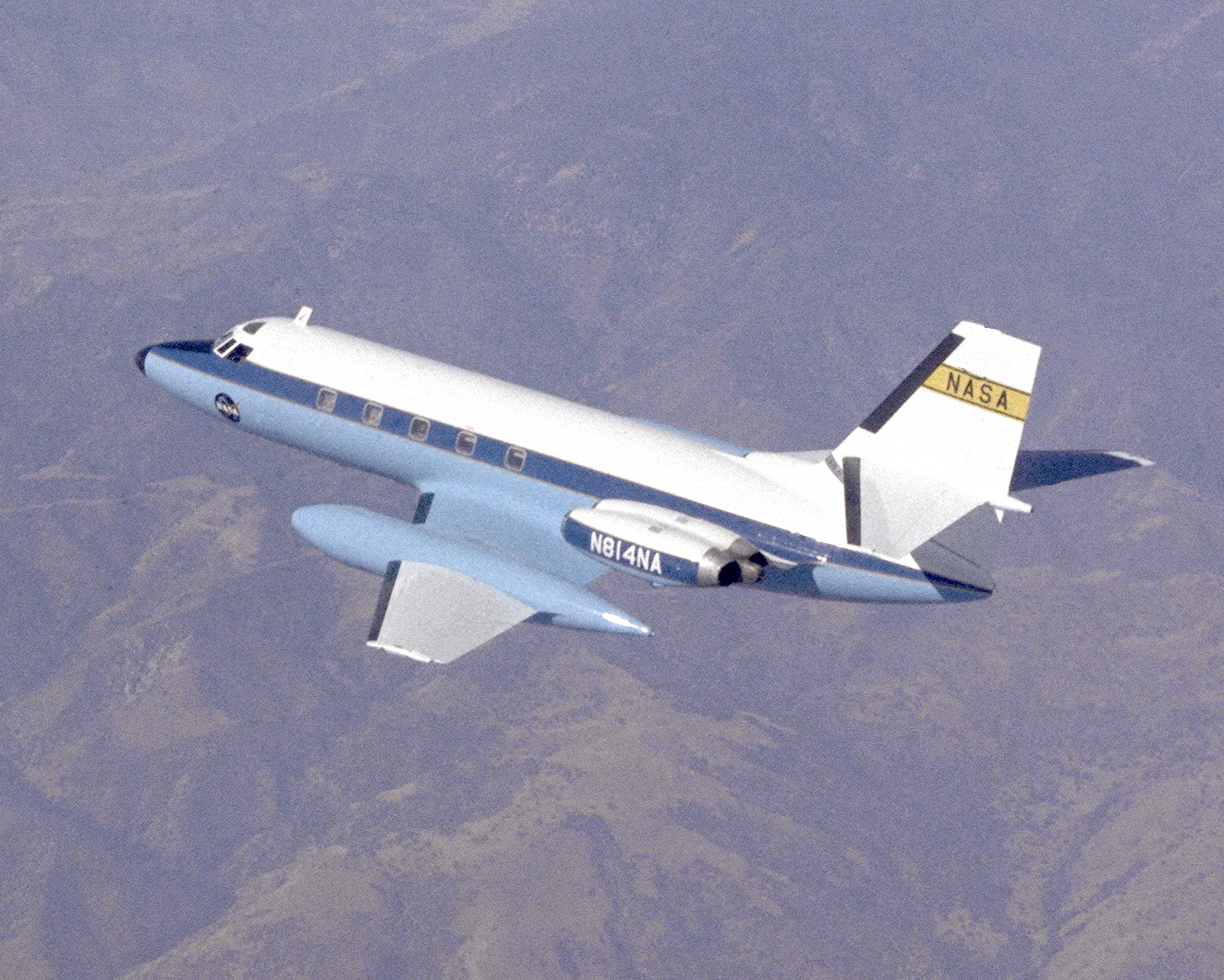
Twin Engines Both Sides of Rear
If anyone remembers the jet aircraft hijacked in Sylvester Stallone’s movie “Cliffhanger”, this was the type of aircraft which shows this engine mount design, the Lockheed Jet Star. First introduced in 1957 as the first business jet in its class to enter service, the similar style of twin engines clipped both sides of the rear inspired Vickers to come up with their version, the VC-10 in 1962.
.jpg)
3 Jet Turbines at Rear
This engine design configuration was introduced by Boeing in its Boeing 727 in February 1963 until Yakovlev made their version 3 years later (Yak-40) followed by Douglas Aircraft with its DC-10 in August 1970 3 months before Lockheed unveiled its own L-1011 Tri-Star.

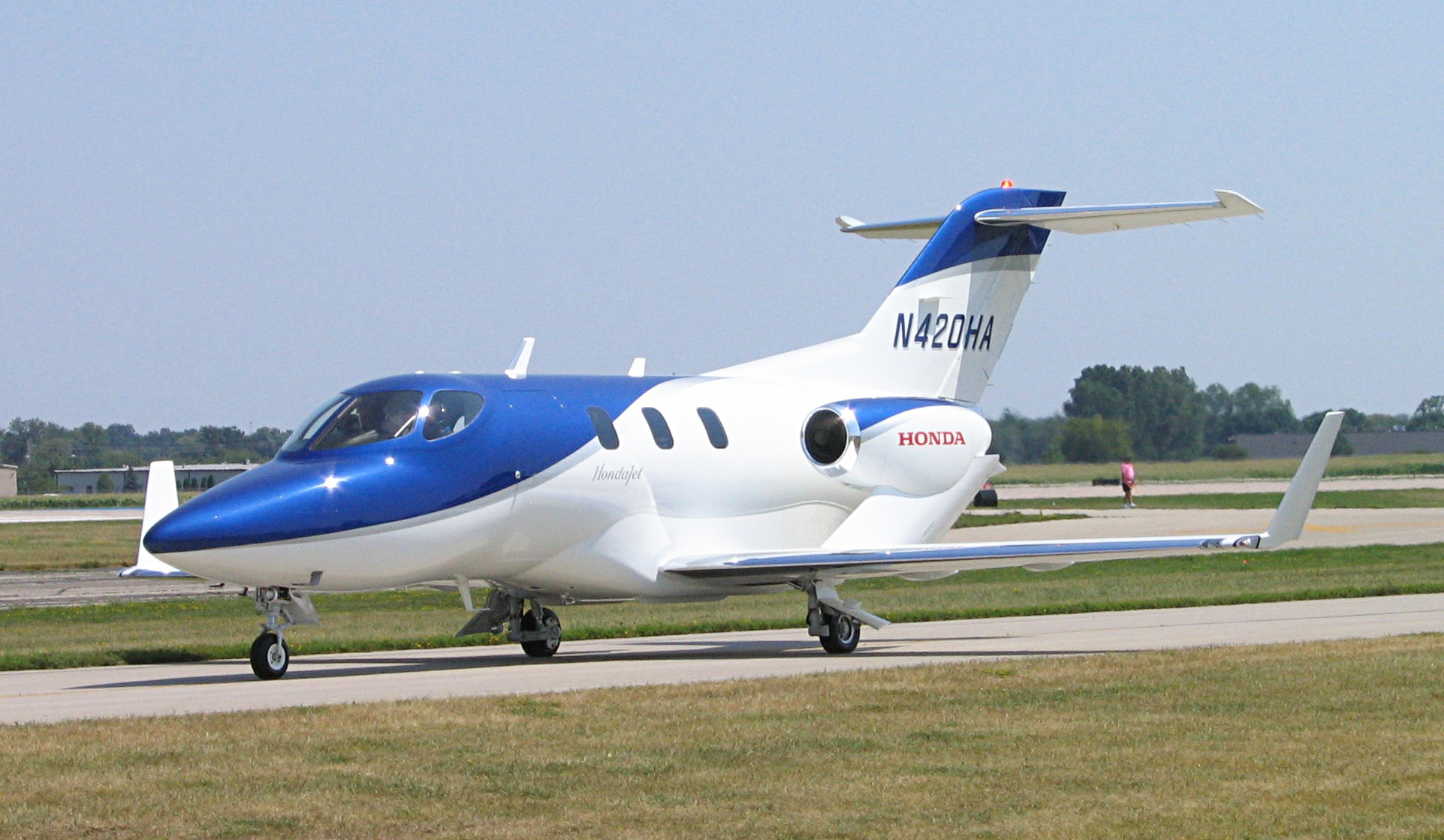
Wing Pylon Trailing Edge of Wing
Honda is actually a trusted name in terrestrial based (from motorcycles to cars) or sea vehicles (Aqua Trax) but new in the aircraft business . However that didn’t deterred Michimasa Fujino, the designer of the Honda Jet HA-420 to come up with this catching design when Honda entered the VLJ (Very Light Jet) business in 2003.
http://factoidz.com/engine-mount-designs-in-jet-ai...