
A journey through Mexico
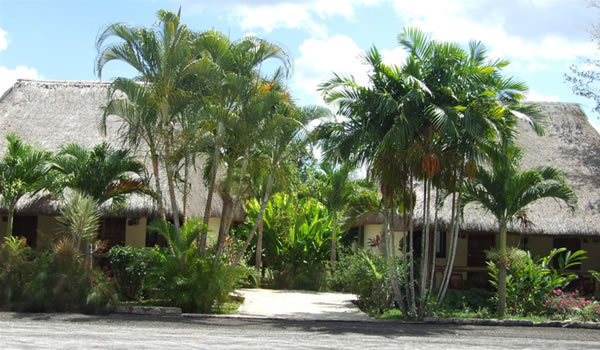
Sometimes, a simple string of words has magical power of incantations. Pyramids, deserts, chili, colonial towns, pine forests, temples, palm trees, traditions, beaches, cacti, churches and sombrero sites: Mexico is unparalleled richness and perfectly suited amounts in symbols the five letters a lame, drawn by rainbow chosen to play today and the name "MEXICO". It enters into a wonderful tourist world, where between oceans, mountains and jungle discovers a mysterious traveler cultural and historical treasures of legend.
 The year 2011 was declared the "Year of Tourism in Mexico" Mexican authorities are vigorously involved in promoting tourism, the stated aim being to make Mexico to become one of the top five destinations in the world."Mayan Year 2012" promises to be a promising and far-reaching campaign, putting the attention of the entire world significance of the Mayan calendar and the date of 21.12.2012, opportunity to reveal fascinating Mayan civilization and its millenary history of the city.
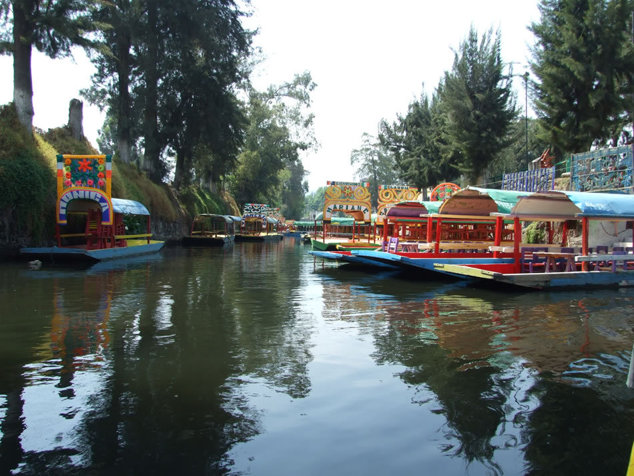
 Heritage sitesThe long list of monuments included in the UNESCO WORLD HERITAGE occupies the first tab of Mexico's tourism portfolio. In fact, there are 27 monuments Cultural Heritage, 4 reserves considered natural heritage and traditions and celebrate another 6 to be intangible heritage merit. They are rated as having outstanding universal value and concrete reasons for their appreciation by Humanity must convince tourists wish to visit them once arrived in Mexico.A brief description of cultural sites strârne?te anyone and curiosity, and imagination:• The historic center of Mexico City and Xochimilco capital - the ruins of Aztec temples over five to colonial city built in the 16th century, the imposing Cathedral (the largest on the continent) and fine public buildings, built in the 19th and 20th centuries - the network of canals and artificial islands in Mexico City, where in the past Aztecs fought to turn a rough area in a reservoir of natural resources.
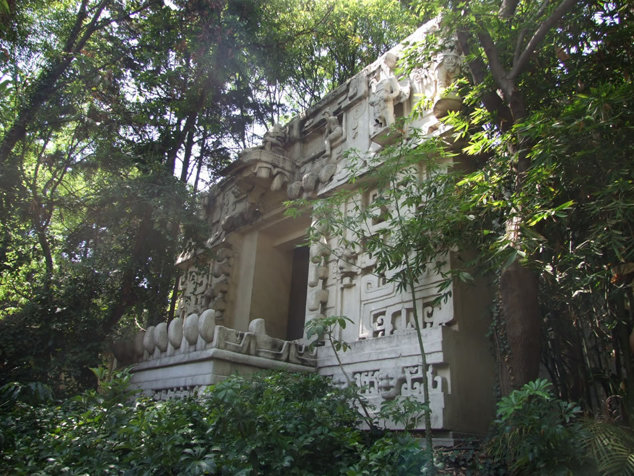
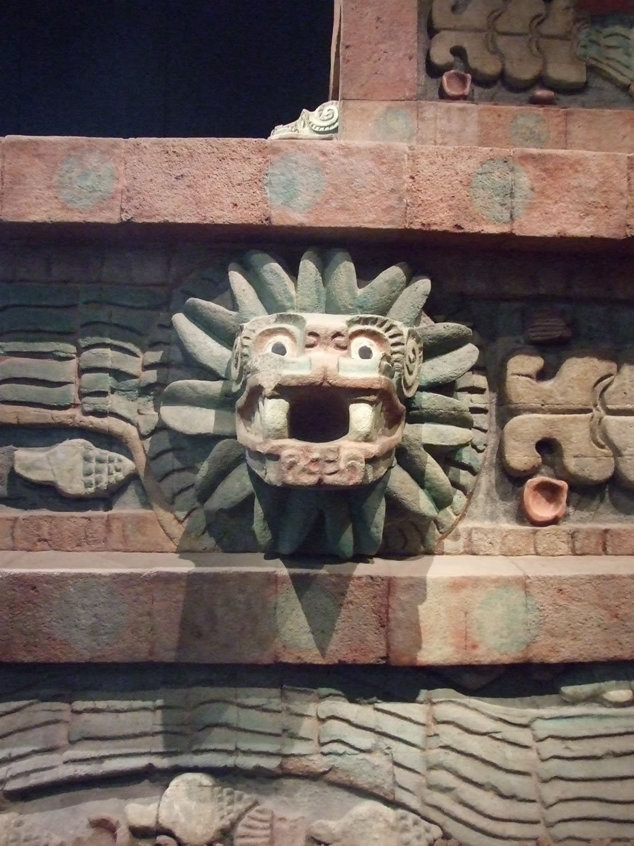
 • Home - studio of Luis Barragán in Mexico City, shows creativity architect in the postwar period, it combines traditional elements in his works with modern to give a unique look gardens, markets and cityscapes.• university city campus of the National Autonomous University (UNAM) - a small town in central Mexico City metropolitan campus was designed by the rules of modern urban architectural art, enriched with exceptional landscape design and traditional-inspired artwork.• City prehispanicTeotihuacán - the Pyramid of the Sun (the third largest in the world), Pyramid of the Moon and the Temple of Quetzalcoatl, embedded in one of the most influential and powerful cultural centers in Mesoamerica early centuries of the millennium I.• The historic center of Oaxaca and Monte Alban archaeological area - specific and remaining intact architecture of a colonial city, with 1,200 historical monuments - the old pre-Columbian ceremonial city with a millennial history, they were partakers Olmec, zapotecii and mixtecii.• prehispanice Caves of Yagul and Mitla in the Central Valley of Oaxaca - contain evidence of prehistoric human evolution from hunter-gatherer stage to the farmer who started growing corn.• The historic center of Puebla - for religious edifices 16th and 17th centuries, historical buildings and houses with facades covered with tiles.• prehispanic city of Palenque National Park, in the middle of the tropical jungle of Chiapas, the ruins of the old city, the pyramids, temples and religious reliefs, they show the creative genius of Maya civilization.
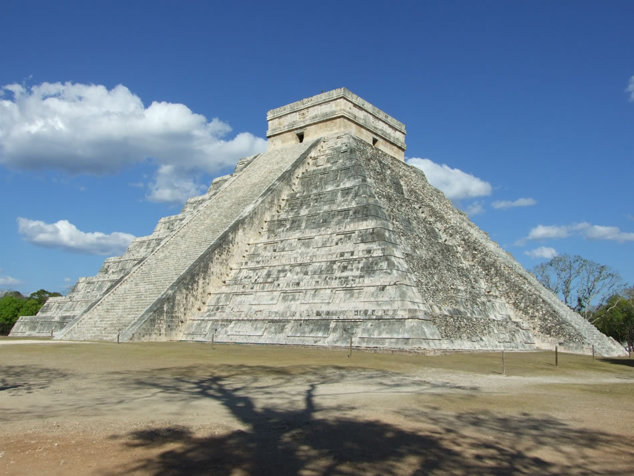
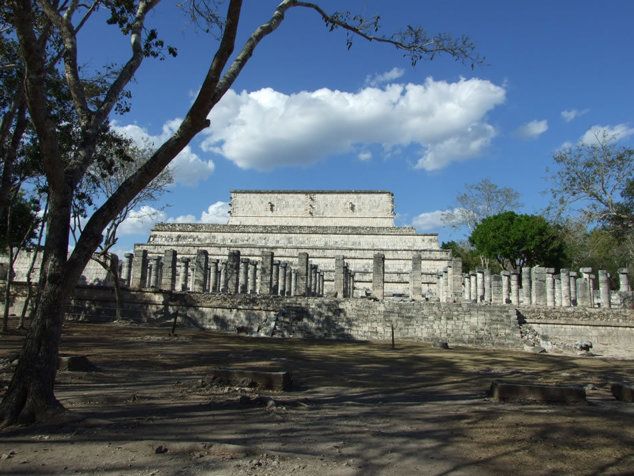
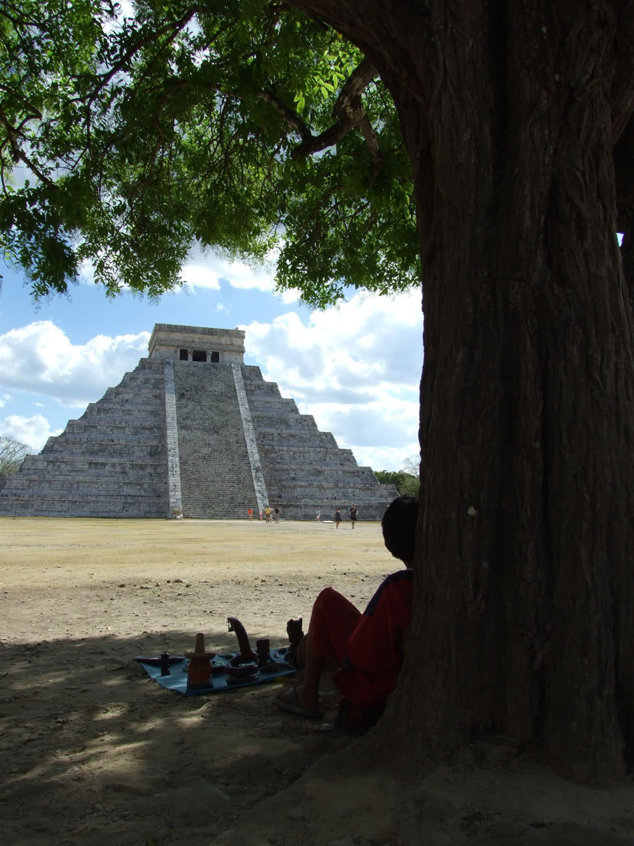
 • The historic city of Guanajuato and adjacent mines - in the 18th century, Guanajuato was the most important silver mining center in the world, which brought wealth and transformed into an elegant town with beautiful baroque and neoclassical buildings.• Historic San Miguell of Alende and Sanctuary of Jesus Nazarene of Atotonilco - for construction of the walled city, highlighting the transition from Baroque to the Neoclassical architecture, and the Jesuit sanctuary, an example of the interweaving of European and Latin American cultures.• prehispanic city of Chichen Itza - the most important center of civilization sacred Mayan Kukulcan pyramid was chosen one of the seven wonders of the modern world.• The historic center of Morelia - such as urban planning and architectural history.• prehispanic city of El Tajin - 9-13 centuries was the most important center in NE Mesoamericii after the fall of Teotihuacán's up to the Aztec Empire, and amazed by the monumental pyramids reliefs.• The historical monuments of the city Tlacotalpan- century colonial port 16, Tlacotalpan kept the old topography with wide streets, colonnaded buildings and old trees.• The historic center of Zacatecas, the old colonial civil and religious buildings built on high terraces of the valley of the Rio de la Plata , in the 16th century the city was an important mining center (for silver).• Cave Paintings of the Sierra de San Francisco, for their exceptional quality (international) for impressive quantity, variety and originality of human and animal representations for special colors and their excellent state of preservation.• the early 16th century monasteries on the slopes of Popocatepetl volcano, the 14 monasteries reflect the architectural style adopted by the early missionaries converted the natives to Christianity since the 16th century.• prehispanic city of Uxmal - for how it demonstrates the peak of art and architecture, but also social and economic structure of late Mayan civilization.
 • Franciscan Missions in the Sierra Gorda of Querétaro - five monasteries in the 18th century, evidence of the process of evangelization of peoples of northern Mexico and southern U.S. territory.• "Hospicio Cabanas" in Guadalajara - building built in the early 19th century for the care and housing orphans, elderly and disabled, is appreciated for its unique architectural complex and remarkable murals.• agave landscape and ancient industrial facilities of Tequila town - 35,000 hectares of agave distilleries supplying the valley of the Rio Grande , where, 2000 years ago, they made ??fermented beverages and textiles (fibers of the same plant).• Paquimé archaeological area, great houses - brick construction site belong Pueblo culture of Mexico, off shortly before the arrival of the Spaniards.• Campeche fortified town - the defense walls of the historic center of the old colonial port on the Caribbean Sea, representative of military architecture 17th and 18th centuries.• Ancient Maya city Calakmul - the well preserved ruins and sunk in the jungles of southern Mexico, reminiscent of Mayan city that has survived 12 centuries.• Archaeological Monuments Zone of Xochicalco - belonged to a heavily fortified center, political, religious and business in the years 650-900 AD, established in central Mexico.• "Camino Real de Tierra Adentro" - also called "Silver Route", this commercial road with total length of 2400 km, united for 300 years central Mexico to southern USA, located along the 1400-km 60 sites shows what was the role of this channel of communication in local history.
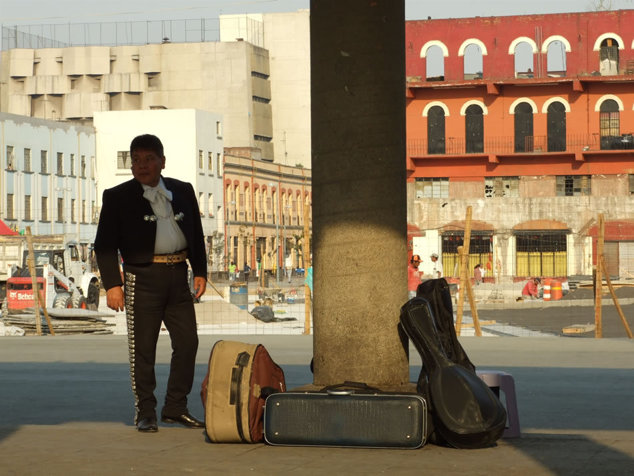
 Tourist routesFor almost 2 million square kilometers of the 31 Mexican states plus the Federal District (Mexico City), cover with hard on a journey common, for eight to 20 days, were proposed tourist routes special nurtured all national and international travel agencies. They can be chosen by tourists keen for any journey adds inspiration, learning, mystery and joy. Moreover, for every tourist in part, the agencies will be willing to combine many types of tourist regions, heritage sites, natural splendor, a personalized journey as exciting as those already available in classic shapes.
 Colonial TreasuresThe 9 UNESCO sites already mentioned, they add a few other cities founded by the Spaniards soon after the conquest of Mexico and enriched over the centuries successive civil and religious architecture typical colonial:Aguascalientes, Guanajuato, San Juan de Los Lagos, Durango, Jalisco. they will pass later in the wars of independence and revolution, so that they acquired the status of historical witness of the fall of an empire and the birth of a free nation.Maya WorldCalakmul, Tonina, Palenque, Edzna, Comalcalco, Pomona, Coba, Uxmal, Tulum and Chichen Itza are the 10 Mayan sites in southern and southeastern Mexico, five of which are heritage. Much of the area of the former Mayan cities still lies asleep in the arms tangled tropical jungle, waiting to reveal this secret world long gone. Pyramids, temples, statues, reliefs, astronomical, to play ball courts, altars to the gods omnipotent supreme attraction of these great form of cultural and religious center of Maya empire unrivaled.
 Historical cradle"Parent culture", the Olmec, and began flowering in the years 1000 BC on the banks of the Gulf of Mexico (today, Veracruz), and the site of La Venta (Tabasco State) also speaks in whispers about beginnings, although most vestiges are in museums in the country. In the early centuries of the first millennium, the city of Teotihuacán in central Mexico dominates, while at Cholula , a little further south (today near the city of Puebla), the Great Pyramid (the second largest in the world) religious focal point of a major city. 600-900 AD, El Tajin (today near Papantla, Veracruz State) was the most important city of the Classic Veracruz culture. In central Mexico, Empire Totelc military culture is proved by the remains of the old capital Tula , peaking between 900-1150. Two hundred years later, still in the same area will begin expanding Aztec Empire, after he will put capital Tenochtitlán , now Mexico City. Visit the Great Temple and its museum in central Federal District gives the right occasion for a thorough knowledge of a great civilization.
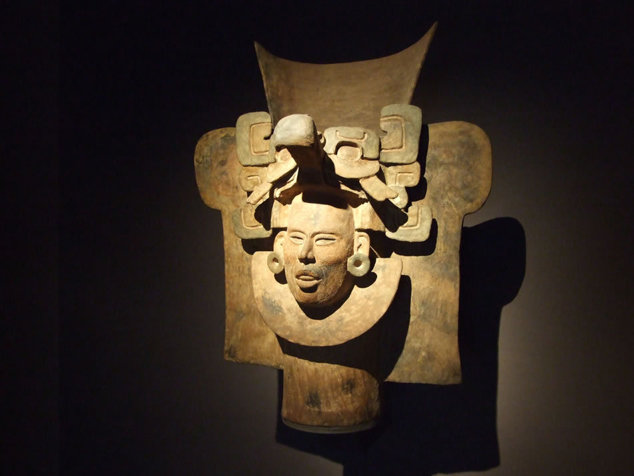 Magical VillagesMinistry of Tourism has chosen 40 localities Mexican villages and small towns alike, to be paired with the "magic" of culture and tourism, in that they both have a strong historical essence, a remarkable legacy and a continuing tradition of valuing human potential . Real de Catorce, Dolores Hidalgo, Valle de Bravo, Creel, El Fuerte, Bernal, Bacalar, Coatepec , Honey and Tequila are just some of them.Besides archaic languages ??spoken, specific costumes and delicious cuisine, villagers magical world showing their skills in crafts that relate their ancestral hearth-weaving, pottery, silver and copper-processing and artistic sense, the murals, pottery decoration and fabrics, wood carvings, or even the famous " catrinas "skeletons and skulls for Day of the Dead crafts decorated.Dream BeachesSurrounded by the Sea of Cortez, the Caribbean, Gulf of Mexico and the Pacific Ocean, Mexico boasts some of the most beautiful beaches in the world, with fine sands, turquoise waters and stunning cliffs, extending over 11,122 km. In NV, Los Cabos and La Paz alternate with sun bath or swim with whale watching sea lions. Acapulco andIxtapa are favorite destinations for residents of the capital, is located at 400 km south-west of the city. On the high cliffs of Acapulco, brave turbulent waves are amazing jumps, death defying. The famous Riviera Maya , Cancun andPlaya de Carmen displays its luxury resorts conquered quiet beaches jungle edge.
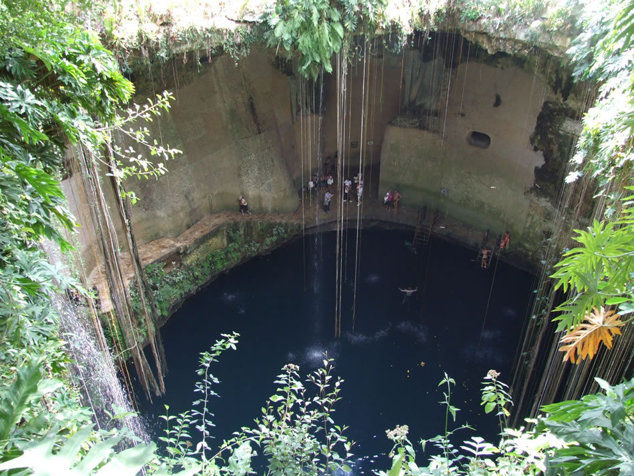
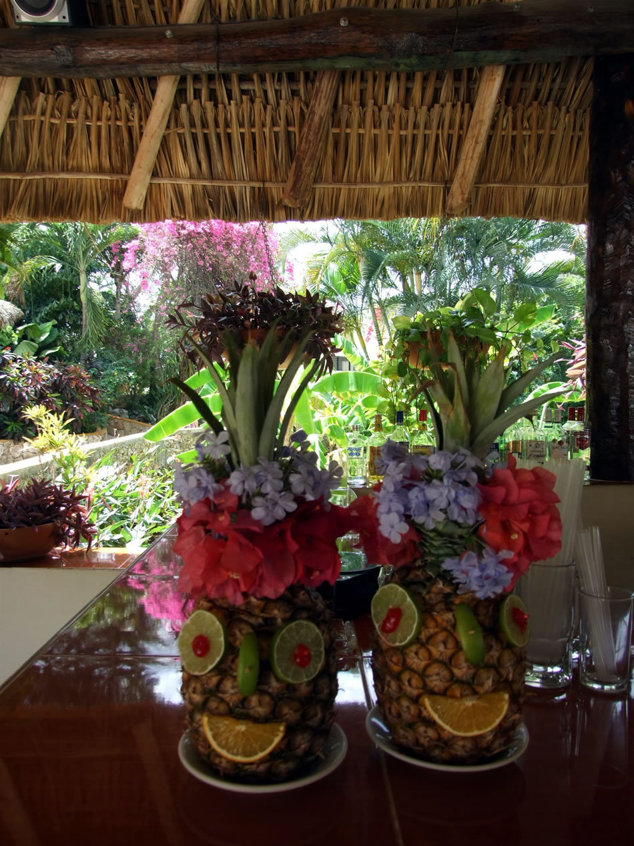 Amazing AdventuresFor adrenaline moments and wonderful landscapes, tourists choose between diving reef near the island of Cozumel , famous for its rich marine life and crystal clear waters, rising volcano Pico de Orizaba ( 5,611 m, the highest peak of Mexico ) and Izaccíhuatl ( 5220 m), jungle tours in Yucatan Peninsula, the zip line above the canopy and rappel in cenotes, treking in Copper Canyon , snorkeling with whales in Holbox Island , July-September, and many others, from a long list, with surprising options.
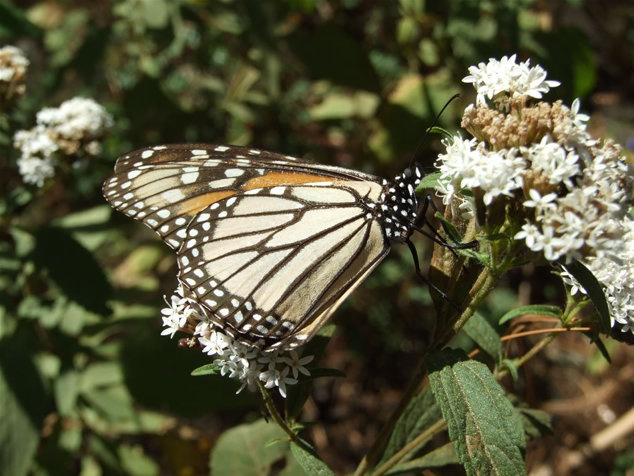
 Wonders of NatureIn fact, it is Mexico's Natural Heritage of Humanity and in which they scored four large reserves: the Sian Ka'an Biosphere Reserve (Quintana Roo state) , covering 5000 km ² dejungl?, mangroves and islands Biosphere Reserve El Vizcaino (Gulf of California), with its gray whales, sea lions, seals and many other marine species,Islands and Protected Areas of the Gulf of California and Monarch Butterfly Reserve (of Michoacán ), where millions of butterflies hibernate poetic in the woods pins.
 Mexican HeartsA multitude of ethnic groups ( tarahumaras, maya, Otome, Purepecha, Tarasco, huasteco, mixteco, Tarahumara, Yaqui, zapoteco, Triq, Mixe, nahua ) and 64 indigenous languages, officially recognized on a par with Spanish generate ancestral cultural diversity Mexican territory. In the list of intangible heritage (intangible) of Mankind is strung with pride: "Otome-chichimecas" , old minority groups in Toliman, Querétaro State, with their places of memory and traditions still present, "Peña de Bernal" protector of a sacred territory - "los Parachicos" dancers with wooden masks Traditional Festival which takes place in Chiapa de Corzo, Chiapas State, every January, "pirekua"or ethnic group traditional song "Purepecha" (Santa Fe de la Laguna) , the Feast Day of the Dead (1-2 November) and Mexican cuisine , as the essence of local culture ancestral Michoacán State.
 Culinary delightsMexican rural community involved at all stages of food preparation, from planting vegetables before eating delicious traditional cuisine making a cultural model. Based on this culinary universe is formed corn, chili and beans, plus tomatoes, pumpkins, avocados, cocoa and vanilla for flavor intensity. Combining vegetables, spices and fruits with meats of all kinds their imagination and create incredible food: tortillas (corn cake, sprinkled with lime) with salsa and agave worms, mole black (chocolate chilli sauce, sesame, nuts , cloves) with pork or beef, guacamole(avocado sauce) with tacos (warm tortilla filled with grilled meat and spices) etc.. Unique inexhaustible Mexican cuisine is a tourist destination in itself. Mexico you spellbound and already entered your senses. Try it on the threshold of a new era that must begin maya!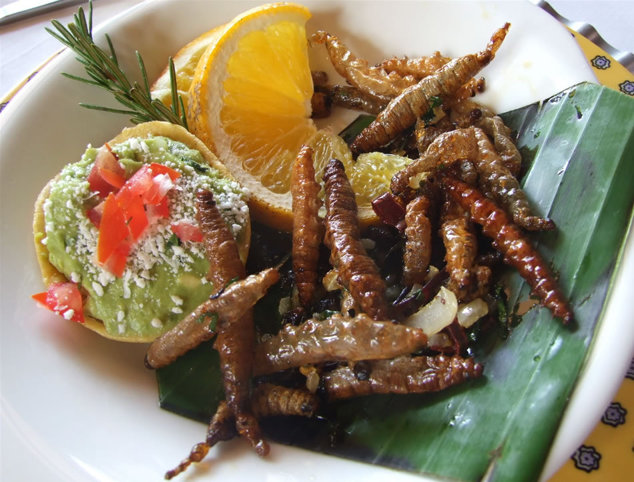
You've added this content to your favorites.

Post your comment
Load More


