4 Best Alternatives Of Steel Conduits
Based on safety and building codes, all electrical power outlets need to run through electrical conduits. Steel conduits are the regular choice despite the fact there are other options available on the market. Here you'll find 4 practical options to steel conduits to help you make an informed decision about your electrical products.
Non-Metal Conduits
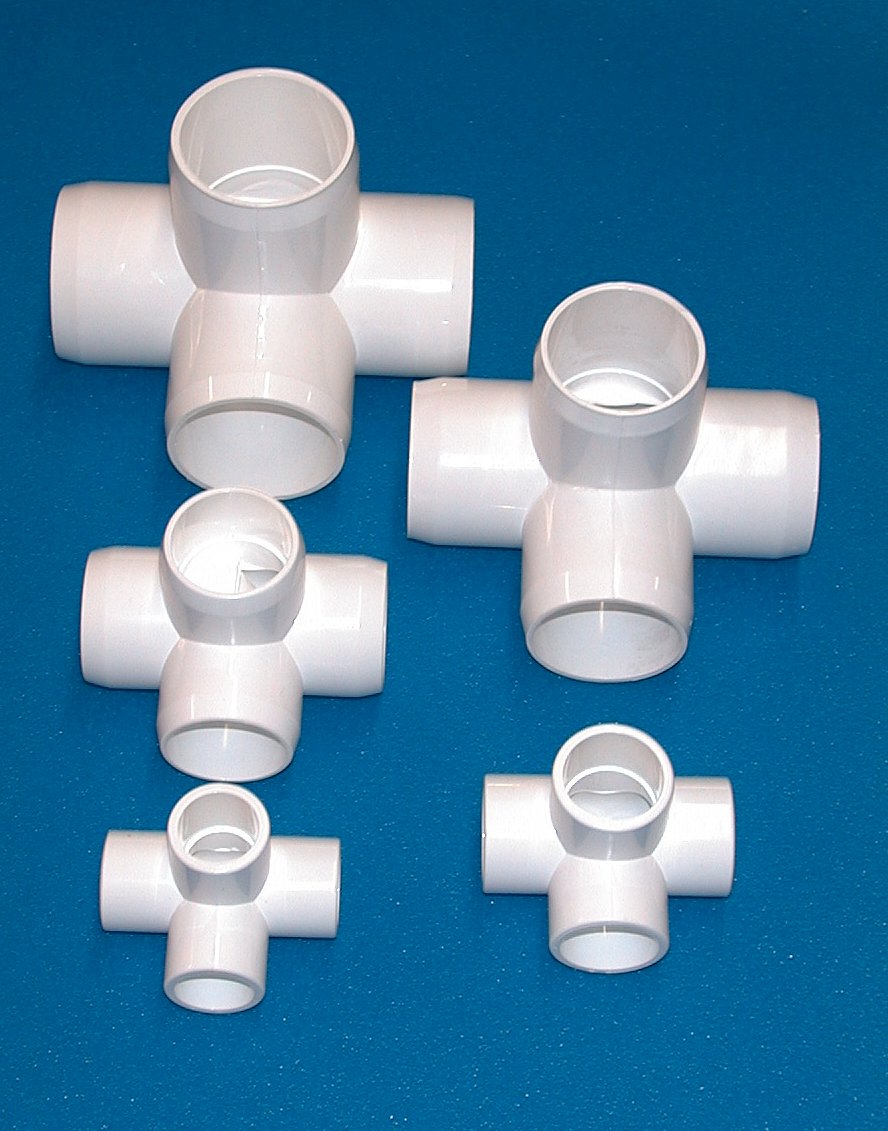
Non-metal conduits are not merely the lightest types of electrical conduits but moreover the least expensive of all. These are PVC conduits which are available in 3 different thicknesses ideal for embedded use in concrete, direct burial, or even exposed work. Still, PVC conduits are non conductive and so an extra grounding conductor must be pulled through these.
Slip-fit solvent-welded connections are used to join non-metal conduits. Highly resistant to moisture and corrosive chemicals, the PVC conduits have a higher thermal coefficient of expansion than other similar electrical products. In the category of non-metal conduits you will find Rigid Nonmetallic Conduits or even RNC and Electrical Nonmetallic Tubing or ENT.
Electrical Metallic Tubing Conduits or Thin-Wall Conduits
As the name properly suggests, thin-wall conduits are exclusively made for indoor wiring. Accessible in diameters ranging from '" to 4", EMT conduits are light-steel tubing designed to enclose electric wiring. Many EMT conduits are made of coated steel even though you might be able to find aluminum thin-wall as well.
Thin-wall conduits are preferred to galvanized rigid electrical conduits or even GRC just because they are lighter and at the same time cheaper. EMT rarely comes with filaments on ends but it can still be bonded to threaded fixtures. The solution is to use clamp connections.
Flexible Metallic Conduits or Flex Conduits
Often called Greenfield conduits, Flex conduits are the best solution when you would require a lot of fittings if you were to use rigid connections. They're suitable where conduits would require to be curved in order to accommodate many twists and turns. They are likewise preferred in situations where isolation from vibration is crucial.
The greatest advantage of FMC is the fact it you don't need any device to bend it. Your hands will do just fine. Although, it might be difficult to run a fish tape through this. Flexible metallic conduits provide flexibility without compromising the safety of the conductors. Although they can be twisted and bent easily, the Greenfield conduits do not remain permanently like this. That's due to production method that involves spiraling grooved bands of aluminum or, sometimes, steel. FMC could be used as a conductor to ground various electrical equipment connector .
Raceways
Raceways or even wire channels could be come in plastic or even light metal and are used to accommodate wiring that must be installed on the wall surface. Their main objective is to secure wiring and as well to cover it. Yet, not all people are happy with the look of raceways. The solution is still preferred if you don't wish to wreck your perfectly finished wall areas.
However electrical products are generally complicated if you aren't a expert electrician, you will still learn about your options in case you are planning for a small electrical project. It is essential not to guide your option only on the pricing criterion. You should pick out electrical conduits that suit best your specific conditions. Ample homework on the subject allows you to make the best selection for your situation and requirements.